State demands end to zoning discrimination against 'qualified' manufactured, modular homes
New law takes effect July 1
Ordinances
BEREA CITY HALL—A new law that aims to help ease the state's affordable housing shortage, compels jurisdictions across the Commonwealth to allow modular and "qualified" manufactured homes in all single family residential zones. The first reading of a local ordinance to enact the mandate was heard at the second regularly scheduled City Council meeting of the month.
"[T]he protection of property values is a legitimate issue to local governments and the enactment of regulations designed to protect property values is a proper exercise of local power," KRS 100.348 now reads. But the General Assembly decided to pre-empt local zoning rules, stating, "while local governments have legitimate authority to enact reasonable zoning regulations, the provision of quality, affordable housing through qualified manufactured homes serves an essential public purpose."
The law, established by HB 160 in 2025, was deferred until July 1 of this year. Subdivisions with pre-existing deed restrictions or other covenants that exclude these structures are exempt from the new law.
The state differentiates between mobile homes, manufactured, and "quality" manufactured homes. Mobile homes were constructed without any regulations prior to June 15, 1976, after the enactment of Federal Manufactured Housing and Construction standards, administered by the Department of Housing and Urban Development. After the standards were in place, these dwellings became known as "manufactured" homes. They are intended as a single family dwelling, with or without a permanent foundation, and are connected to necessary utilities.
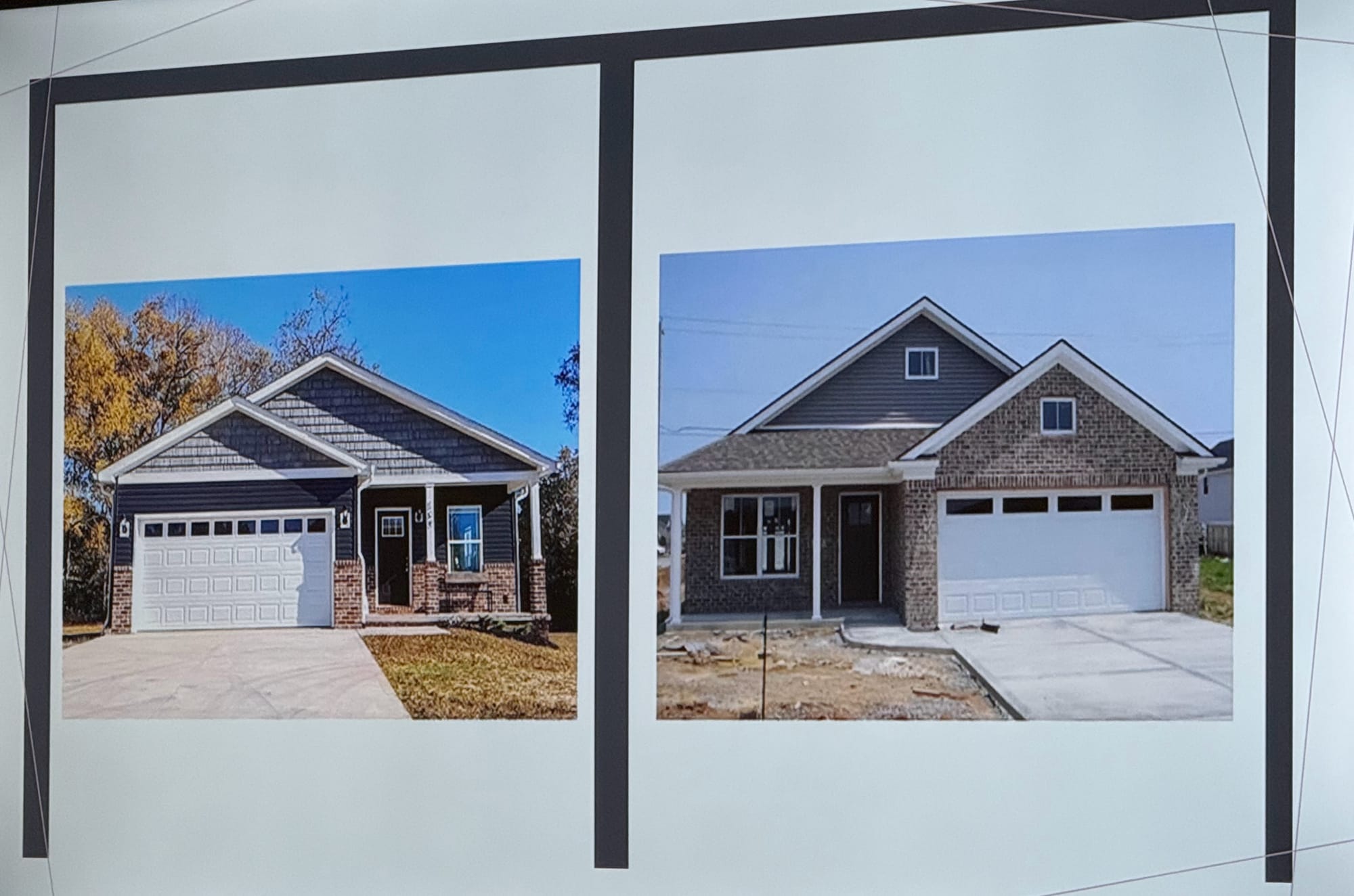
"Quality" manufactured homes in Kentucky are those made in accordance with state statute no more than five years prior to the time of installation, have a permanent foundation with all necessary utility hook-ups, and have a width of at least 20 feet at its narrowest part or is two stories, and has a minimum of 900 square feet in total. They must also have a main entrance that faces the street and have the same setbacks as other homes in the neighborhood where they are constructed.
Ordinance 10-2026, which received its first reading at the Tuesday evening meeting, also allows for modular homes. Similar to "quality" manufactured homes, these dwellings are constructed inside of a facility and then transported to the home site, where they are finished according to the individual purchaser's specifications.
They also have permanent foundations and necessary utility hook-ups. Like the "quality" manufactured homes, modular ones meet HUD standards. The key difference between modular and "quality" manufactured homes is that modulars are built according to state and local zoning law codes, just as stick-built homes are.
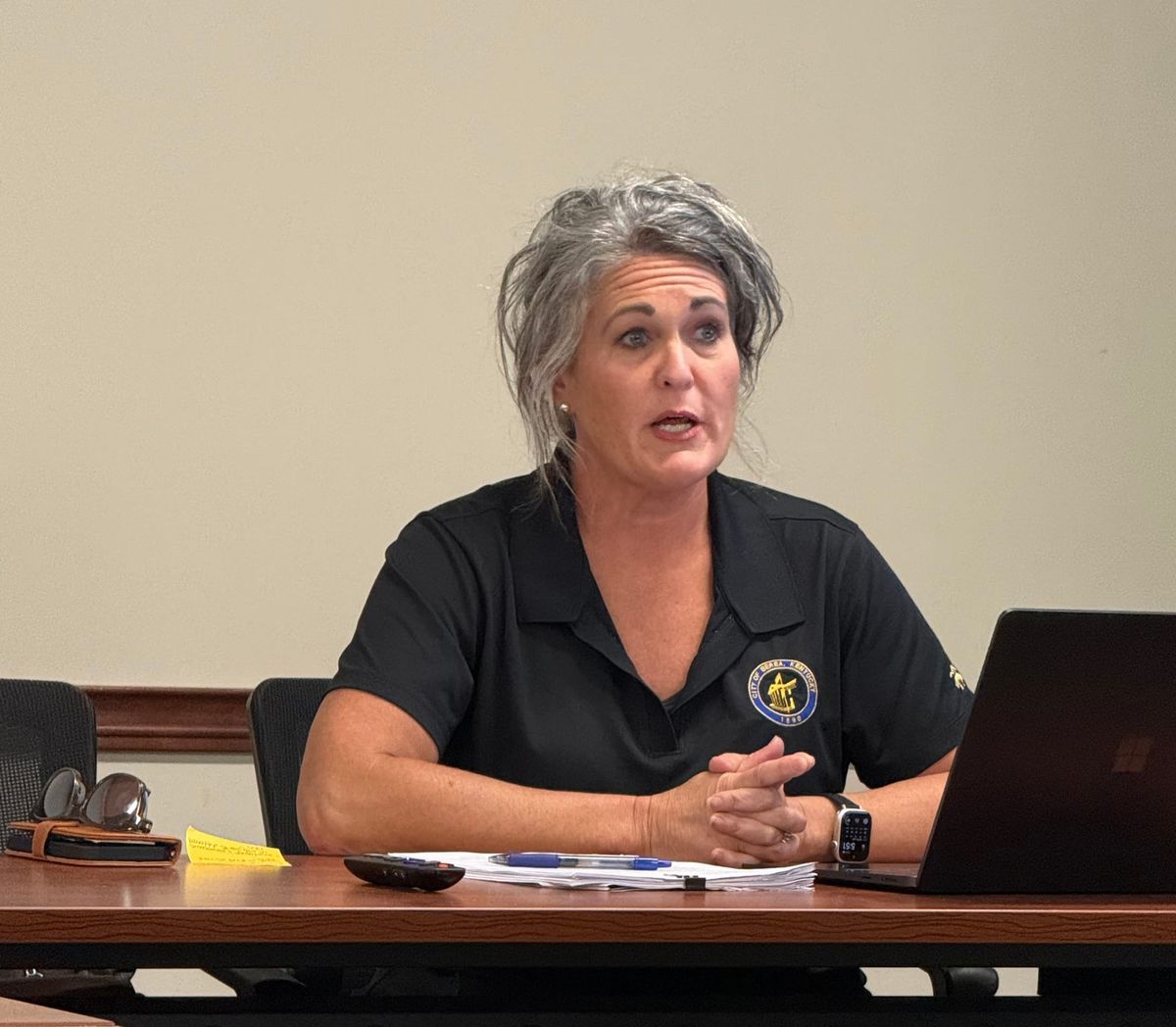
"They are now more architectural," Amanda Haney, codes and planning administer for the City, told Council during the work session.
All manufactured or modular homes are built to federal climate and weather codes, according to Logan Hanes, executive director of the Kentucky Manufactured Housing Institute, the state's trade association for factory built home companies. Hanes made a presentation during a Planning and Zoning Commission work session in late April.
Hanes also explained that "quality" manufactured homes and modular homes are considered real property and so are eligible for refinancing and property tax evaluations. For "quality" manufactured homes to be considered real and not personal property, they must be affixed to a permanent foundation.
A 2023 study conducted by Harvard University's Joint Center for Housing Studies, compared the costs of factory-built homes with stick-built homes and found that factory-built homes are especially helpful in bridging housing inventory gaps in markets where land costs are lower, and that depending upon the size and specifications of the factory-built home, home owners could save between 27% and 65% of the cost of stick-built homes.
According to the Kentucky Housing Corporation, the state is experiencing an affordable housing deficit of 101,569 rental units and 104,638 for-sale homes. Any home that costs less than 40% of the area median income is considered "affordable" by state law. Madison County is just over 2,500 homes short by this definition.
The shortage is exacerbated across the Commonwealth, according to Hanes, by real estate investors disrupting the marketplace for first-time buyers who can't afford anything beyond affordable housing. In 2015, Fayette County was 6,600 short of its necessary inventory of affordable homes, Hanes said in his presentation. "Since then they've gone in the hole 400 homes per year just by people purchasing what was affordable, rehabbing it, flipping it, and then when they sell it, it's no longer deemed 'affordable'," he said.
Earlier this year, Freddie Mac released a report based on 2024 Census data, showing that new factory-built homes in Kentucky are priced 9.1% lower than the national average. The median price in the state for a new single-section factory built home is $73,800. For a double-section it is $140,900. That's compared with Alaska, which at $80,200 has the lowest national average price for new factory-built homes.
The median existing-home price in Kentucky is $277,200, according to the Kentucky Association of Realtors. The median new build home price range according to the Census report referenced above is $240,000 to $310,000, depending upon square footage and materials.
The Kentucky League of Cities opposed the new law when it was being debated in the Assembly. After it passed, KLC's CEO, J.D. Chaney said in a statement, “We believe that a broad-based approach taken by this bill is to strip the ability of local leaders to collaborate with their constituents on designing policies that address their unique needs and works to impede the ability of local leaders to be responsive on this issue to the citizens that they serve." State Rep. Josh Bray (R-Mount Vernon) voted against the bill.
"I'll support this but it bothers me," Councilmember Katie Startzman said during the work session. Startzman credited Berea's Planning and Zoning Commission for being years ahead of other jurisdictions when it comes to addressing affordable housing, and said she did not appreciate being mandated by the state to act in certain ways. "I've got an issue with it being preemptive," she said.
After the work session, Haney told The Edge in a brief interview that she has been approached by some builders who are interested in possibly developing subdivisions in Berea that are entirely based on "quality" manufactured homes.
At its May 12 regularly scheduled meeting, the P and Z Commission recommended to Council that the ordinance be adopted. It will have its second reading at the next regularly scheduled Council meeting on July 7.
Other ordinances which had their first reading at the last regularly scheduled City Council meeting had their second readings at this meeting, and as previously reported: Ordinance o6-2026, allowing the publication of all 2025 ordinances passed, in supplement to a bound volume; Ordinance 07-2026 adopting the budget for FY26-27; Ordinance 08-2026 giving city workers a 4% cost of living raise in the new fiscal year; and Ordinance 09-2026 raising seasonal worker pay.
Department head report
Kevin Howard, general manager of Berea Municipal Utilities, asked Council for a $12,000 line item overage to pay for industrial waste testing. The overage was approved in a unanimous voice vote. Howard said the money would be reimbursed by the various industries whose waste water is tested by the City on their behalf.
City administrator report
City Administrator Shawn Sandlin said that at the next regularly scheduled Council meeting on July 7, he will make a presentation on improvements to come to City parks, and the building of a new park at Stoney Creek.
Mayor's comments
Mayor Bruce Fraley commented on the successes of the past weekend which included the third Juneteenth celebration, the L&N Days, and the Berea Volunteer Fire Department classic car show, and thanked the organizers of all the events for a job well done. He also said this year's budget process was the smoothest he'd ever remembered. Fraley has been mayor since 2019. He also noted that the City's Fourth of July celebration this year will take into account the 250th anniversary of the nation, and will have extra activities.
Council comments
Most Councilmembers had no comment, except for Ronnie Terrill who asked Sandlin if the new park trailhead concession stand and restrooms will be open in time for the July 4th celebration. Sandlin said they will be. Councilmember Steve Caudill also spoke, saying he agreed that it was a smooth budget process.
Sign up for The Edge, our free email newsletter.
Get the latest stories right in your inbox.