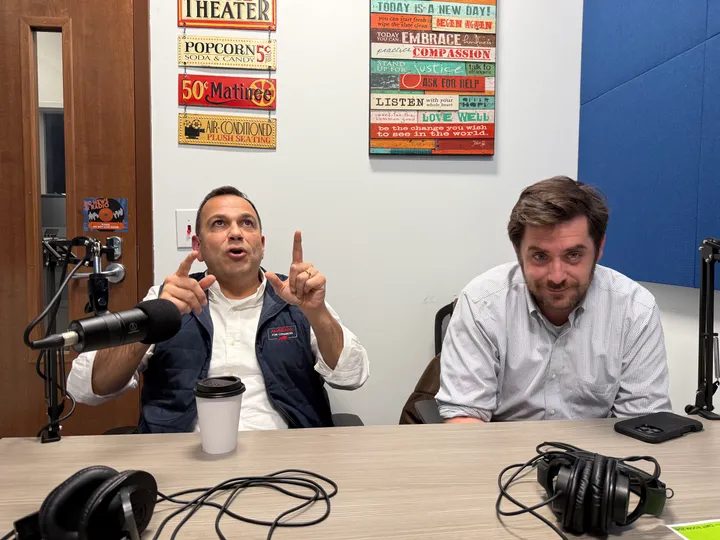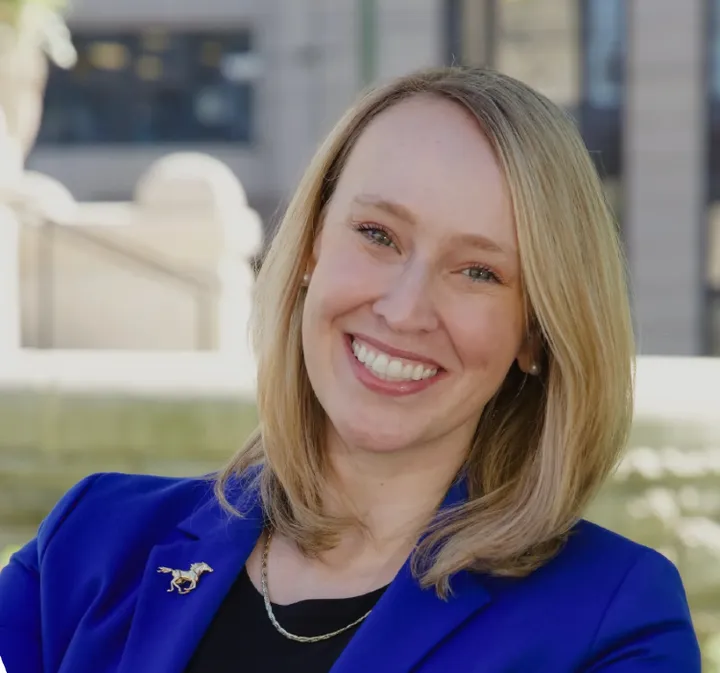
Magistrate Combs is On the Edge, discussing land use, data center policies
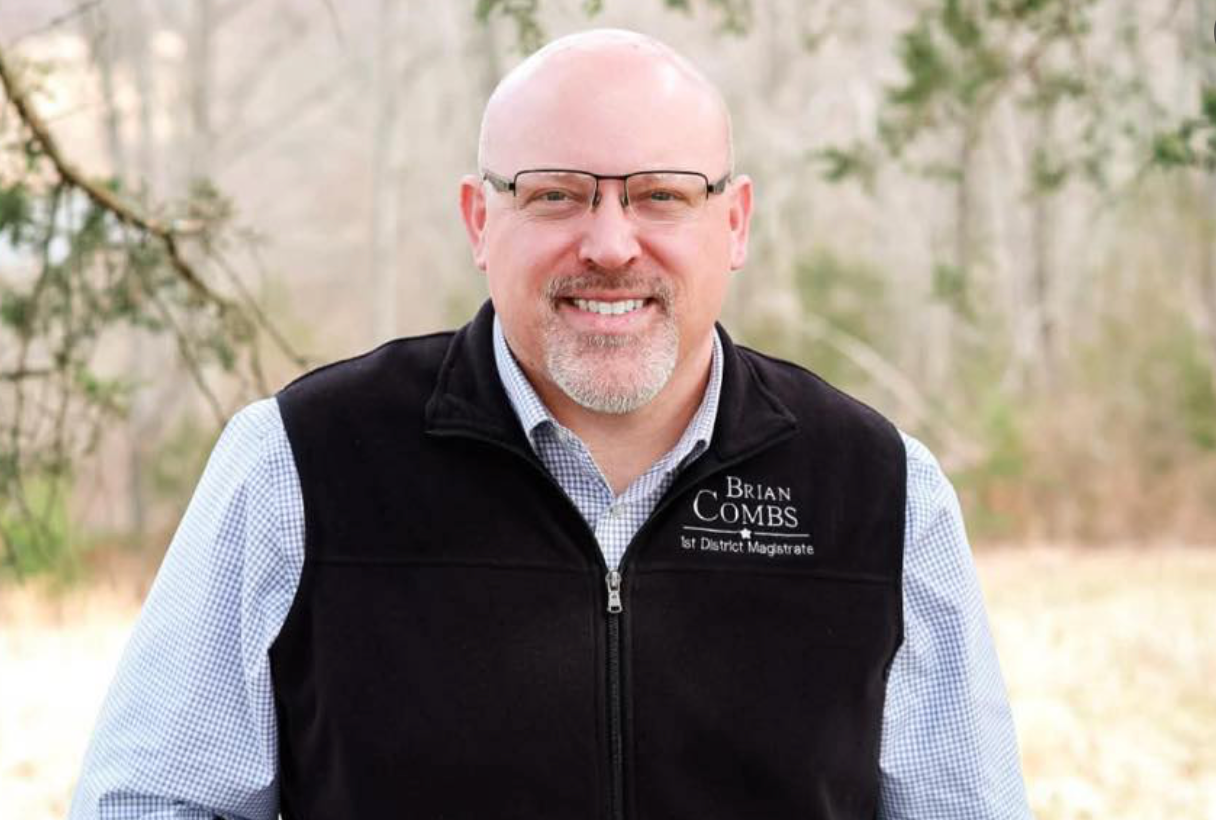
What is Madison County's position on data centers? Judge Executive Regan Taylor has gone on the record saying that Madison County doesn't welcome them. But, The Edge has argued that if there are no ordinances in place, then not wanting them and still getting them is possible. Magistrate Brian Combs (Dist. 1) disagrees, and says that the County is ready should the situation arise.
In this episode, Combs and host and producer, Whitney McKnight, discuss County land use generally, with Combs saying that even though he is opposed to sprawl, it is permissible by the Constitution. For more on that, see The Edge's op-ed, "What if we tax land more, buildings less?"
The transcript of this interview is available below.
For more information on novel policies for how data centers or any other industry could be regulated, see this recent op-ed in The Edge's Opinion section.
Thanks to Magistrate Combs for taking the time to be On the Edge. For more information, comments, or suggestions, contact the editor:
Sign up for The Edge, our free email newsletter.
Get the latest stories right in your inbox.
Whitney McKnight 0:00
I would like to welcome Brian Combs, magistrate for Madison County, District One. And you are on the edge. Thank you very much for joining me today. We're going to talk about data centers.
Brian Combs 0:10
Okay. I'll tell you what I know. Thank you for having me.
McKnight 0:15
You're very welcome. You contacted me and said that you were at um some sort of conference or something and that you were learning about data centers. And this was after I had published a story about whether, you know, asking the question whether or not Madison County would be ready should any developer approach us about a data center. So what have you been learning?
Combs 0:36
So a lot of the stuff that we're learning is, you know, real time, just like everybody else. Uh, there's a lot of questions out there uh around data centers. Uh, we actually had some discussion today in our court meeting. So when you watch that, you'll see see that discussion.
Um, we had some public comment and ask about uh data centers and how we we would uh approach it uh and what we've been doing uh in the process uh leading up to a the potential of a data center in Madison County. So um, you know, what we've been doing, like you stated in the conference, uh we're learning from other communities about what they're dealing with, and uh, you know, they're kind of the guinea pig, uh so to speak.
And so we're learning a lot from them uh about the restraints that they're seeing, um, things that they're seeing in their community, questions that are being asked. Um, and when I talked with you uh when we were at the conference, um, you know, I said that you know, I feel like there's there's good actors and bad actors in the data center business.
And when I when I say that, what I really mean is is that there are companies that will put up the money for infrastructure uh and you know mitigate any kind of uh cost to the public through their utility bills, uh, and so it has you know less effect on uh the local people. Also, uh technology.
So, you know, there's as this advances, you know, technology is advancing in the form of of closed loop uh cooling systems uh to reduce the need for the massive amount of water that would be needed for data centers. Um so you know those are the kind of things that we're gleaning.
Uh, you know, I think for Madison County, what what we what we're seeing is that you know it's not a good fit for Madison County. Uh I don't I think these data centers um would most likely target areas where there are uh hydrogen or not hydrogen but uh hydroelectric plants, um, where there's uh the ability to get the electric that they need, uh also with the water needs that they have.
Um so I I you know what I think the way that the court is looking at it right now, we're we're learning in real time. Uh we're we're learning about this just like the public is, and we're trying to uh to make the best decisions. Um obviously right now we haven't had any request for data centers in Madison County.
McKnight 3:28
Well, let me stop you there, Brian. Um I want to go over some of the things that you said, but let's start with where you just ended. Uh you've not had any developers approach the county fiscal court yet.
Combs 3:41
Right.
McKnight 3:42
Um, what was this conference that you went to?
Combs 3:45
So the conference that we were at was the uh Kentucky Judge Executive Conference. So we we do a conference with the judges and with the magistrates um a couple times a year for our continuing ed uh the continue and ed thing.
McKnight 4:01
So you had somebody presenting on data centers?
Combs 4:03
Yes, yes.
McKnight 4:04
Okay, so um thanks for clarifying that. The reason that I wanted to just stop and and kind of focus on the idea that developers have not come to the county yet is um there is an there's something going on in Simpson County in the town of Franklin where they did not have any ordinance in place regarding uh, I think it was a county ordinance though, or what would you yeah, it was it was the county didn't have any kind of um any kind of regulation in place. They the developers which are from out of state came to Franklin.
Franklin didn't really have any way to object. They were they got what they needed from the planning and zoning board, but the county said retroactively, this is not something we want in the county. And now the county is being sued by the developers because basically my takeaway from that is the county and the town were not ready when the developers showed up.
So they were scrambling to handle it backwards. And the takeaway, the takeaway, the moral of the story is sure, you don't think that it's a good fit for the county, but that doesn't matter if they come and they start to want to negotiate if you don't already have some kind of ordinance or some kind of regulation in place. So has that been part of the discussions that the fiscal court has been having?
Combs 5:24
Yes, but I I think Madison County's in a in a position, though, to prevent uh something like that happening. I'm not for sure about Franklin County's zoning regs, what they have.
McKnight 5:36
Simpson County, I think.
Combs 5:37
Oh, Simpson County. So I'm not for sure uh what what they have in the form of planning and zoning. Uh but for Madison County, it would be viewed as heavy industrial. And so it would either require a full zone change, which would go through all the steps of going before planning and zoning, having public input, uh having uh uh public meetings, and and even if it wasn't, you know, kind of like with solar, um solar would have to go, even though it it's zoned agriculture, it still has to go before the board of adjustments.
And with our board of adjustments, we don't have a one-size-fits-all for all solar. So you can you can the Board of Adjustments through public input uh can put regulations and different adjustments on those to make sure, because again, in solar industry, there's good actors, bad actors. You've got people that come in that are just gonna install the equipment and then they're they're gone. You have some that will come in and they will stay with it. They bond it. Uh, if something happens, you know, they they have to put the property back like it originally was.
And so those are those are avenues where Board of Adjustments would come in and put in stipulations this you know to make sure that you know it's it's it's a good fit and that there's there's things in place that mitigate risk to the public, to taxpayers, to the environment.
Uh so I think Madison County is in a is in a position, even though we haven't had a request and haven't had to look at one head on, I think we do have ordinances and regs in place to make sure that you know we're not getting a bad actor and we're not getting something that the county don't want. And I mean, I'm again, I don't think that Madison County would be uh a good fit for a data center.
McKnight 7:35
Maybe not the county per se, but the county in general might be because we have that 1500-acre property on Duncan Lane. I realize that's Richmond. That's the jurisdiction of Richmond. However, it could end up in the county as a result of possibly ending up in Richmond.
I'm not saying that I have any idea what is actually going there, but it is the kind of property that a data center would look at. That's all. So I don't have any idea if they've been approached with a data center. Um, however, you know, there's something else. Um I think we're just talking, we're just speaking generally about data centers, but they do come in different sizes.
So, you know, I do think it might be possible. I mean, notwithstanding that they'd have to go to the board of adjustments, et cetera. But the idea that you could have a smaller data center, again, I'll go back to the Simpson County example. Those data center developers just wanted a 200-acre sized center. We have plenty of places in our industrial parks where that might fit. Would that also have to be considered heavy industry?
Combs 8:40
So for the for the county, it would, because I mean the county doesn't have an industrial park. And so, you know, the city of Richmond and City of Brea does, and of course, that would fall back to their regulations on how they would deal with that at that time.
McKnight 8:53
Well, wait a second. So you do have well, okay, you have a say in the Central Kentucky Regional Business Park, which I think is now called Triple Crown, right?
Combs 9:05
Yeah, so we have uh the partnership in Berea, uh, but it's it's nowhere near big enough for for that size. It's a it's the remnant of uh Farrish Town Industrial Park, uh the old Moore farm. Um and so we, you know, the county doesn't really have anything uh large enough uh to for something like that. I mean, but yes, we are partners with the one in Berea.
McKnight 9:30
Well, what's the situation with the 800 acres uh up near the river? Is that you guys just have an option on the county? Has an option on that?
Combs 9:39
It's an option. Right now it's in this the uh the REDA's hands, the Central Kentucky Regional Development Authority. Uh they are doing the due diligence on all of that. So and so in the process, you know, they're looking at you know how much of that 800 acres is developable, you know, how much you can, you know, how it could be divided out.
It can it all be one big area, or does it need to, you know, how it lays, you know, they're looking at all the different things. And um when they do that, they're looking at water, they're looking at electric, they're looking at sewer, all the infrastructure that it would need, roads. Um, so that I mean it's it's kind of one of those things is that you're looking at this piece of property and you're seeing what's the possibility. And so that's the process that they're in right now.
McKnight 10:24
Just talk about land use in general. You know, it's an election year, and there's a lot of pressure on the fiscal court from people who are upset with land use decisions that have been made. And I'm wondering um if you'd mind kind of discussing that with me, what what's your number one priority as a magistrate regarding land use?
Combs 10:44
Well, my number one priority is to protect the landowner and their rights as landowners. Uh, I've been consistent with that uh the whole time I've been there. Um, you know, when we when we rule on a uh zoning change, um, you know, to me, uh it's not my place to tell a landowner what they can do with their property. And so I want to protect their rights as property owners.
And the only the only thing outside of that would be is if they are having a negative effect on someone else's rights to own property, to have, you know, protect their life or their liberty. And as long as they're not infringing on that, then you know, for me, I'm always going to be in support of the property owner. Uh, and that's where I've stood from the beginning. That's where I'm I'm gonna remain.
McKnight 11:36
Well, I think the question of the impact on neighbors is also contentious. That's the part where people are are maybe having a difficult time quantifying it. Uh, for example, with the the distillery that received its conditional use permit. And I guess, do you know when they're going to be breaking ground? Because I haven't heard anything lately.
Combs 11:56
I haven't heard anything. Uh uh, and again, you know, that was a decision that was on the board of adjustments. The board of adjustments, that was not a zone change. Uh, that was the conditional use. It's it's an agribusiness. And so the the Board of Adjustments put different conditions uh in order for that to come in. Uh and so that that went before them. It didn't come before the Board of Adjustments or the Fiscal Court.
McKnight 12:21
Well, I think that if I rec I it's been a while since I've actually done the, you know, looked into the details of this. But I if I recall, I guess the the feeling is the fiscal court does have influence, even if there's no jurisdiction there, that you know, the they're an individual board, but they are still part of the county government.
So I do know that there is a lot of passion about whether or not the land is being put first. And, you know, I I hear what you're saying. You're saying the property owner comes first, but land doesn't separate itself. You know, we separate the land is actually a place that is contiguous, even if people own different pieces of it. But the impact on the people living on and around it is complete.
You know, that you look at the landscape and you think this is beautiful, this this inspires me, this is part of how I feel at home and so forth. So people have a very personal relationship with the land, even when it isn't quote unquote their land. And I think because Kentucky is starting to see a lot more population growth and a lot more indust industrial growth, which is new, it's new to this region.
I think it can make people feel threatened and maybe even out of control that what they love and what makes them feel at home is actually changing in a way they had no part of. So I don't think this is an easily legislated or easily quantified situation because it is very emotional.
Combs 13:38
I agree with you 100%. Uh, but I I do think that you have to have a standard. And this for me, the standard is our constitution. Our standard says that you know, you have property rights, you have the right to do with that property what you want to do with it, as long as you're not infringing on others' life, liberty, and property. And so, you know, if you change, you know, for instance, the the situation in Waco with the zone change in Waco, um, you know, uh that was a what's what's this is it collegiate Hill?
McKnight 14:08
Is that what what's the name of it, College Hill?
Combs 14:10
College Hill, yeah. And so that you know, that was contentious and you know, before the court. But it again, it goes back to uh, you know, if you have the standard that says that the property rights belong to the property owner, whether it's in Waco or whether it's in Berea, then it's it's always the same for everybody.
And so that for me, that's what's important, is to have a standard that says that this is the rules that everybody plays by, and this is the rules and the the rights that everybody has. And so I think you gotta you've gotta establish that standard in order for people to go to move forward. Now, again, I agree with you 100%. You know, when people move into a piece of property, you know, whether they they locate to the country and want to enjoy the country, and then all of a sudden urban sprawl comes and takes away that right or that privilege.
I wouldn't say it's right, but you know, but still, you know, that you still have to have that standard there in place to protect everybody. Because, you know, for me personally, as a Christian, you know, when I look at a housing development, I don't see houses per se. I don't I don't see uh roads and those type of things being a burden. What I see in a home is a family.
I see uh you know opportunities for families to have children, uh for for those families to be part of the community. And so though those those folks are gonna be your doctors, your lawyers, your school teachers, your, you know, whatever you know, we need in this community, those people are gonna fill that that void. And you know, I don't look at it as this is infringing on somebody's rights so much as it is, you know, it's adding to our community. And these people have a right to be here. Uh just like I I've lived in Madison County my entire life.
Uh I don't plan on going anywhere else. I plan on living here the rest of my life. Uh, I've already got my burial spot picked out. So, you know, this is, you know, I'm invested in this community. Uh, and I think everybody else should have that right as well. I think they should, you know, if they want to come here and live here and be a part of the community and participate and you know, add value to the community, then we should welcome.
And so that that's kind of where I am, especially when it comes to housing and and those kind of those kind of things as well. Because um, you know, again, uh being a Christian, you know, what if these folks came to my church? Would I turn them away? Absolutely not. I would want to welcome them in. I want them to bring the value that they have, their talents, their treasure into into our congregation and to support the mission that we have. And so I I look at it differently.
I understand everybody doesn't look at it that way, but again, I can't change who I am. Uh, you know, it's it's what and what I believe um for politics or for whatever. Again, I go back to the standard uh that I think that we should protect the property rights of the property owners first.
McKnight 17:26
Well, when you were elected, was uh you know, how long have you been in office now? Two years?
Combs 17:31
Uh three years.
McKnight 17:32
Three years, okay. Um, I don't remember the details of your campaign. So were was that part of your platform at the time that you ran? In other words, are you that is your viewpoint as you just expressed that not everybody will have your viewpoint, but do you come with a mandate to that viewpoint?
Combs 17:48
Absolutely, yeah. So it any other if you can go back and find any of my old uh political campaign cards, whatever, you'll find that very much in what I ran on. Uh and I I believe that it's you know it life, liberty, and property, you know, in my opinion, the only reason that the physical court exists is to make sure that we protect those rights and to make sure that it's a standard for everybody.
McKnight 18:14
When you go to these judge executive meetings that you mentioned, you go to several times a year, a couple times, you said three, two or three times you said, right.
Combs 18:21
It's usually uh maybe four times a year. Oh, so it's seasonal. So it's kind of a seasonal thing, and it it rotates between judges and magistrates, and then CACO, CACO also has conferences, Kentucky uh association of counties. Yes, that's correct.
McKnight 18:38
So when you go to these continuing education events, do you ever have any kind of education on smart growth planning or you know, different ways to look at urban development and urban planning?
Combs 18:54
Yes, well, I mean there there are occasions. So the usually some of sometimes the ads will present. So they uh the uh development districts they'll they'll present on different things. Uh of course the ads you know do more than just planning.
McKnight 19:09
I'm sorry, a they're called ADs, ADDs, area development districts. They're um regional groups that help local municipal governments decide how they're going to allocate resources for development.
Combs 19:22
They assist with grants and you know different things. And that they also help with you know our comp plan and different things to help us because they they're uh you know they have a lot of the data that we need to use uh and to develop all these plans as well.
McKnight 19:37
I mean, the thing is in urban planning, there is a there's a saying, you grow or you die, but that can be shaped in a lot of different ways. So what is the actual attitude toward growing and balancing that with stasis?
Combs 19:53
You know, I can't speak obviously for the the other court members, I'll speak for myself. I I think you know, where there's infrastructure is where you're gonna see growth because that's that's already established infrastructure, uh whether it be roads, whether it be water, sewer, electric, whatever it may be. And I think you also have to look at too is you know, as as we as we have grown, um and in and technology changes, there's gonna be certain industries, certain career paths that are gonna change. And so uh, you know, for me, there's I can see a lifetime, life expectancy for some of these industries that will no longer be here.
McKnight 20:31
Like what?
Combs 20:33
Well, I mean, you know, for instance, the Brea Industrial Park, uh, you've got a lot of older industry. Uh, we've seen it uh kind of even with the Army Depot when when CSEPP that mission was done, uh we potentially could lose a lot of those skilled labor in the Army Depot. Uh it's a about a million dollar in uh occupational tax for the county. Uh, you know, so it's a it's a big hit.
So I mean as industries get older and as competition, you know, you mentioned talking about how there's a lot of industry coming to Kentucky uh that presents a lot of competitions. I mean we're we're not only competing with other states, but we're competing with other counties as well. Uh and so I think that's that's why that the state has incentivized regional economic development.
And and you have communities that recognize that they're stronger as a region than they are with their just individual, you know, bodies. So I think that's the that's the reason behind the KDPI program.
McKnight 21:45
And the Kentucky Product Development Initiative, is that what it is?
Combs 21:49
That's what it is, yeah. And I think that's the reason the state has incentivized that so that you know we work together as a region because I don't know if you've seen it or not, but uh Kentucky has a KACO actually uh shared it, but it's a stat that the Kentucky, I'm not sure what organization used it. It may be the Economic Development Cabinet in the state, but they they show data of who is coming to your county to work as far as the workforce, the number, how many people leave, and how many people live and work in your community.
And if you look at Madison County, there are there are far more people. There's probably 41% of the people, the total workforce leaving the county to find work in other countries. And so, you know, we have opportunities, uh, and that's that's kind of the driver behind the uh Lexington Rail Project is to is to get jobs here and to to keep uh you know when we we send our kids to to universities within Madison County, Brear College, uh eastern Kentucky, um it's you know, you want them to stay here if you can.
I mean at least I do. I mean, I'd like for them to stay here and and raise their families and uh continue the legacy that uh that we've all had that that been blessed to live here all our lives. So it and so I can see where some of these plants are are getting some age on them.
And you know, I'm not saying that they're going anywhere. Um I'm not saying that at all, but I am saying that they could be incentivized to go other places. Uh, and as technology changes, again, uh, you know, things things change rapidly in the industrial world.
McKnight 23:31
So I what my question was is what's your attitude toward growth? So I I think you've answered it, but I'm just kind of making sure that I can distill it. So you're saying, I think what I'm hearing you say is that your your um approach to growth is to keep Madison County as a whole, have people live here, work here, be educated here, stay here, start the next generation here.
Combs 23:56
Right. Yeah, that's a good summation of of what I was trying to say.
McKnight 24:01
Well, but you know, you needed to go all the way through all the details, but I just want to make sure that I I've got it encapsulated. Um, well let's get back to data centers, just to um kind of wrap up where we started.
Um do you feel as though these other people that you've um communicated with who are in your position in other counties, so other magistrates, other judge executives, do you have any knowledge of, or did you have anybody talk to you about their experiences with uh data centers that give you the impression that local leaders feel confident that they're doing the right thing, or do they feel like they're they're being taken advantage of or in some way on the back foot?
McKnight 24:44
Personally, I feel like the conversations that I had that that people are just there's not enough knowledge about data centers to make an informed decision. Uh, I think there's it's too nude to us. Um and you know, I think it it's kind of raised awareness across the state um to to look into it deeper and to you know question what you're being told a lot of times about you know data centers, uh uh good and bad. I'm not gonna say it's one way or the other.
I'm just saying that, you know, I think that the data centers are kind of selling themselves as you know economic drivers in a community. And I'm not sure that they're 100% right or 100% wrong. Uh I know there there are things that that data centers bring that help communities. Uh I know uh when you look at what water usage and utility usage, that it's a big benefit to uh local schools.
Uh so they they get incentive, they get taxes off of those uh high electric bills, high water bills. And so uh they've kind of sold that as a windfall for communities. Um they've also uh you know talked about how the buildings themselves are uh high value buildings, so that that would increase property taxes for buildings, so you would see more revenue that way.
McKnight 26:15
Uh I think I'm sorry, don't they often make deals to not pay this the full tax?
Combs 26:21
Uh that I've not heard of any community doing that. Uh, but I'm sure that that's that's that's probably conversations that that they have with communities. I I couldn't imagine why any community would want to bring something like that in their community and then not take advantage of the incentives that you know come with it.
Uh again, I uh but you know, I like I said that you know they're they're trying new technologies to to figure out how to um you know manage water usage and and different things like that. One of the things that you know I I haven't done a lot of research on, but I do want to know more about is is like the uh the noise uh that they put off. I think it's a low frequency noise that uh has some health uh issues, you know, that causes health issues.
Uh again, you know, some of the things that they shared with us in uh in the conference uh was you know the information that we're getting, you know, sometimes it it it may not be um local information, it may be uh from China or different places that are are feeding information to us because uh again, you know, data centers are you know viewed as national security issues.
I mean, there's a there's a basically a a race between the United States, Russia, China, all these different entities that are going after AI for military purposes. And and so, you know, I I think it's I think it's bigger than just a local issue. I think that a lot of that is driving some of the information that we're getting.
Uh, I mean, if they're trying to beat us in the AI war, uh obviously they would feed us bad information and turn the public against, you know, having data centers and those kind of things. Which I mean, uh again, I don't know all the truth behind that, but some of that there.
McKnight 28:25
Sure. I mean, there can be misinformation coming from anywhere at any time about anything. That's that's I don't question that. But I'm trying to think where I might have encountered Chinese information unknowingly, and I'm not thinking of any instance where that would be relevant. Most of the communities that I've seen in Kentucky that are dealing with data centers, the information that they are wrapped around has to do with the local impact on them. So where they're looking for that information is elsewhere in the community in the states where data centers have been built. They're getting those statistics directly from those data centers.
Combs 29:03
So I mean, is is there a known uh number out there for how big a data center is and how much water it uses, how much electric it consumes?
McKnight 29:14
Well, there's one in El Paso. Um, I don't know all the numbers to the questions you just asked, but I know that it exists and the statistics have been gathered based on its operations, just as an example.
Combs 29:26
Right. And then again, you know, it goes back to is that one different than what would be proposed somewhere else? You know, as would they, you know, I don't know that data center, I don't know any statistics at all on it. Uh good or bad. I mean, uh but if there's statistics out there, are they good, are they bad, or whatever.
But again, I think that's where you know we have to, I think all of us uh have to do due diligence. Uh when something like this comes to our community, we have to look ask the questions, right? I mean, you know, how how much does this impact our community? Uh because I don't think any of them are are are just you know identical. They're all different.
McKnight 30:08
Um they are all different and they all have different purposes. Some of them are military, some of them are not, some of them are simply large language modeling, but also sometimes they're just cloud computing. It's just storage, you know. And I but you're right, those are good questions to ask if should should a developer come looking. It's nuanced, but we don't have enough data because we also don't have enough experience.
They just really started popping up. Uh, I mean, we've had data centers for the last 20 years because cloud computing does require data centers, but the it's it's more the the really large ones in AI for military. I think those are the biggest ones. And they're very different than the smaller cloud computing storage centers. And we just we don't have enough history to know what the data actually shows over time.
Combs 30:53
Right. Yeah, and uh and to that point too, just not just to military, but and you mentioned the cloud, you know, I think it I think it's a shift to how we integrate with technology. I think these data centers, to some extent, I'm not gonna say all of it, but I say some of it is to change the way we use technology. Uh whether we own technology, whether we own our own space, you know, like our home computer, for example. You know, we we have our own uh memory devices, we have our own drives, and we we own that information and we store it.
Uh and I think some of the AI and some of the data centers are geared towards not having that. So you you take away uh some of that freedom that that people have uh that you have to trust now in the cloud, because as technology goes, uh when you have to do uh upgrades and those kind of things, you you know you lose. I think there's a potential there to lose some of the freedom that we have as individuals to own our own data, to store it.
And I think that's kind of where some of this is going. I'm not gonna say it's that's all going that way, uh, but I can see that being a potential issue in the future of whether you own your data or where somebody else owns it. And and then it then it becomes a service, right? It becomes the same way with every utility, whether it's water, electric, sure. I mean, you you pay for that service.
McKnight 32:24
That's a great point.
Combs 32:26
You know, I I think it's it's up to all of us to pr protect those rights and uh not to be naive, uh, to assume that everybody has their best interest uh in mind. Uh, you know, I think there's, you know, when electricity came about, there was potential for every home per se that had electric to produce their own electric, you know, through generation. Uh DC, you know, I mean you can go back into history. I'm an electrician.
Uh and so you go back and look at how electric came about and how we went from DC concept to AC concept. Well, AC is a service, uh, you know, it's something that you can sell, and you can sell that continually. Uh you know, if you had your own DC generator in your home, like solar, wind, uh, whatever, you produce your own. And so you're not paying somebody to do that for you.
And so there, I mean, there's a benefit to upfront costs, but then you own that and you provide your own service. Well, I mean, that doesn't make billionaires rich. Right. So, and I and I so that's kind of, you know, I'm I'm a little hesitant when we when we talk about AI, about the cloud storage and things like that. I don't want to lose the capabilities to own my own data, whatever it may be, documents, pictures, you know, videos of my children, whatever.
Uh, you know, uh, so I I can see that being an issue, and I can see people, you know, the entrepreneurs are looking for ways to make money. Uh, billionaires are looking for a way to make more. So, you know, if if they can turn something that you could do on your own into a service and make you, you know, continually to pay monthly, and you're seeing that a lot, I think, in the automotive industry as well. Uh, Toyota, for example, I think the new a lot of the new Toyota cars you have to pay uh for the the navigation service.
So it's a service, it's you know, a lot of cars, you just have it, you have the software and the hardware that's built into your car, and so you use it. And you may have to update it occasionally, but you know, I think Toyota is going to well, how can we offer this as a service? Because you're continually going to get revenue off after after doing that.
McKnight 34:38
So Yeah, it's a good point. Because if we didn't have to cloud compute as much as we've been encouraged to, then we wouldn't need so many data centers to store the data.
Combs 34:47
That's what yeah. I mean, it you know, we've got data centers, they're in every home. Uh, but you know, it's uh you know, I can see that being an issue, and I can see that that's kind of where I think that's some of the driver behind uh cloud storage and the you know going more towards AI.
McKnight 35:05
Well, if that's gonna be the case industrially, then I think maybe it would also have to be an opportunity for local governments. If you if there's gonna be some kind of subscription service that these industries are going to benefit from, then maybe that's a way to tack on an extra tax or you know yearly fees of some kind.
Combs 35:25
Yeah, only that would all have to be worked out, you know, legislatively, you know, through state, local governments, federal governments. You know, we're we're limited as a county, we're limited to the three revenue streams that we have. Uh we, you know, if we imagine a new tax stream, we can't enact it because you know we're limited to the three. Uh and I mean if it didn't fit, then you know, we couldn't use it. We couldn't, you know, benefit from it locally.
McKnight 35:51
What are the three? Property tax, yeah.
Combs 35:54
Property tax, occupational tax, and insurance premium. And so those are yeah, the those are the three tools that the state government says this is how you can uh generate revenue. And uh, you know, we have no other outside, you know, we we don't have any kind of tourism uh or anything like that.
A lot of the cities have different uh revenue streams uh that are different than county governments, but those are the three that we have. And you know, those are you know, we we mentioned the toolbox. I mean, that's the tools in our toolbox. The state would have to give us the authority to do that.
McKnight 36:25
Well, those are all my questions. I really appreciate you being on here, but if you have anything else you want to add, feel free.
Combs 36:30
No, I'm um glad to glad to do it. Uh appreciate you covering uh our court meetings and reporting and uh uh always you know participating with us and and asking questions. Uh we we encourage that from everybody. Um, you know, we're here to try to answer questions the best we can and uh try to be as transparent as as absolutely possible. We we try to go above and beyond uh to do that. And uh, but we do appreciate uh you participating in everything that you do.
McKnight 36:59
Well, thanks, Brian. I appreciate that. And thank you very much for being on the edge with me.
Combs 37:03
All righty, you have a good day.