Berea College granted access to documents from secret EKPC / Duncannon Lane industrial deal
Circuit Court judge agrees it's relevant to Big Hill Line case

RICHMOND—A county circuit court judge has ruled that Berea College may examine some documents from a previously undisclosed deal East Kentucky Power Cooperative made with a developer on Duncannon Lane three years ago. The move, said the judge, will help her determine whether the utility has abused its power of discretion in its attempts to build the controversial Big Hill Line.
The power cooperative had filed a motion with the Hon. Kristin Clouse, who is presiding over the case, to protect a trove of documents requested by the College during the discovery phase of a law suit brought by EKPC after the College refused to negotiate with the utility over about a mile of the College's forest.
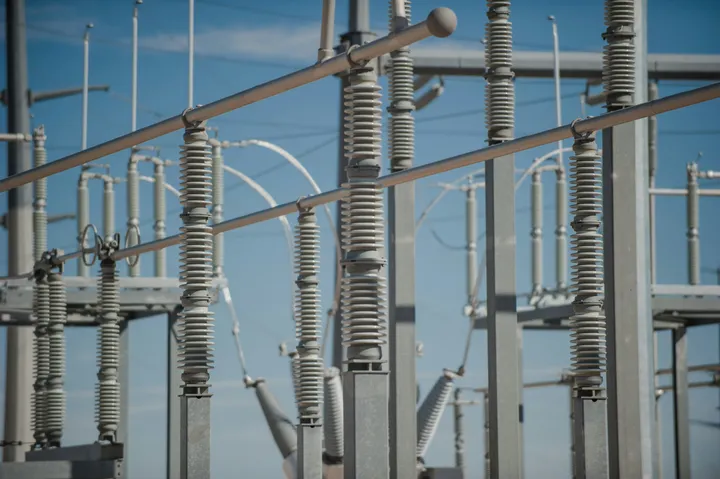
The power co-op says it needs the land in order to build the 69kV Big Hill transmission line that the utility says is necessary to keep residential power in the region reliable. Currently, EKPC runs well over 4,000 meters to the Hickory Plains substation north of the Big Hill area, the most of any substation in the co-op's service area. It says 1,500 meters will be shifted to a new substation off of Red Lick Rd., serviced by the new line.
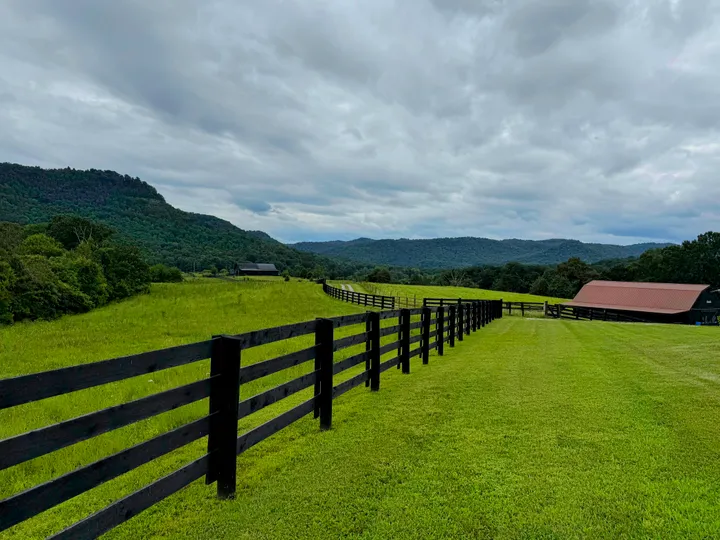
The College maintains about 9,000 acres of forested land spreading from southern Madison County into Northern Jackson County. College officials claim that the line will negatively impact the forest, as well as the view shed from the Pinnacles, which the College also owns.
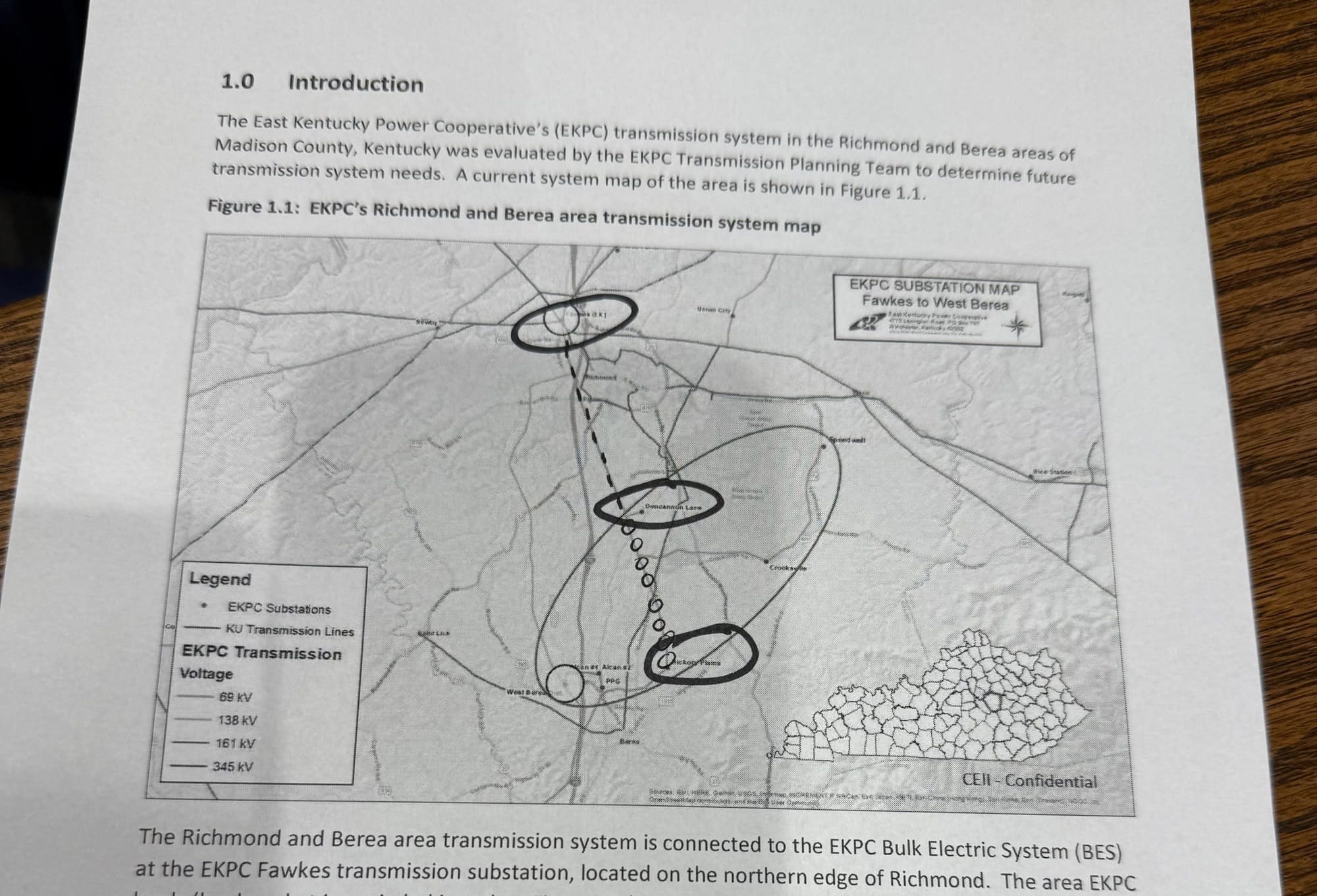
Joe Childers, counsel for the College, argued before the bench that the Fawkes Line, which stretches from Northern Madison County, in Richmond, to Duncannon Lane, was originally a 69 kV line, but was ultimately reinforced with a second 69 kV line built by the co-op using the same right-of-way, to serve industry in the West Berea, Duncannon Lane areas. The state utility watchdog, the Public Service Commission, does not require approval for lines under 138kV. So, both 69kV lines were built without EKPC needing to come before the PSC.
Childers said the documents he requested could help demonstrate why the co-op decided to build an entirely new 69kV line instead of constructing something similar to the double 69kV Fawkes line. "This merits more probing," Childers said.
Asking for materials not directly relevant to the case being heard, in order to find discoverable evidence that could help the case, is called "rational calculation".
Clouse agreed that the College, as well as rate payers, deserve to know whether the utility is not abusing its power of discretion by creating a brand new 69kV line. Under state law, utilities are granted the right to build as they see fit (according to their "discretion") provided there is nothing fraudulent about their decision.
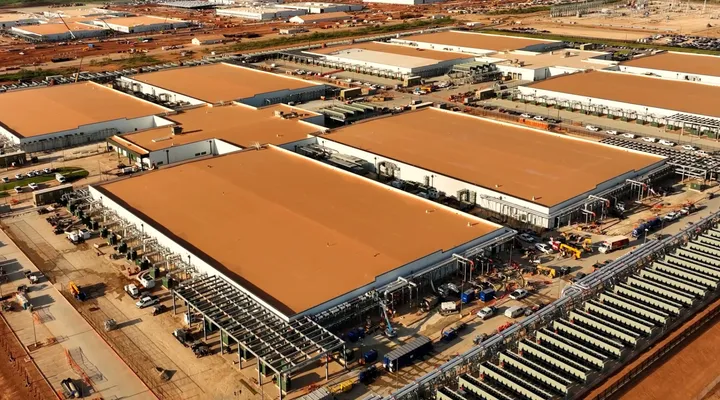
Specifically, Childers asked EKPC to provide data and any other relevant information pertinent to testimony given to the PSC by Darrin Adams, the co-op's director of transmission planning and protection, in case 2022-oo314. In his testimony, Adams speaks about the Big Hill Line as necessary to help remove 7 megawatts from the Fawkes line circuit. He also says that there had been several inquiries from industrial developers in the Duncannon Lane area for up to 420MW of additional load. That size load is commonly used by data centers, or to power up to 100,000 homes.

EKPC's counsel, Merritt Lee Norman, Esq., a lawyer with Frost, Brown, and Todd in Lexington, told Clouse, "I don't know how the needs at Duncannon have anything to do with the Big Hill line. It's going to serve residential needs. We don't need to discuss why EKPC undertook what it did three years ago." She added that the project at Duncannon Lane "May or may not come to fruition."
Norman also said that EKPC had already responded to the College's request for more information about which alternatives the co-op considered, back in August soon after it brought the suit against the College. "We haven't received any more questions since then," Norman said, although she admitted that Adams, who has been deposed by the College, will sit for the deposition.
Childers told the judge in response to Norman's retort. "They're saying, 'Trust us,' but that is not what the law says." He told the judge she has "an obligation to check and decide if they are abusing their power ... I didn't hear anything [in what Norman said] about why they are doing what they are doing, or about the cost. That's abuse. The rate payers will ultimately have to pay the bill and they are avoiding scrutiny by making [the line] only 69kV."
Clouse sided with Childers. "I have to decide if they are abusing their power. It is a fair and relevant question." She ordered each party to collaborate on a new order to submit to the court that will narrow down exactly what the College can see from the Duncannon Lane case. She asked for the two parties to either have a zoom call or return to her bench early next week. The trial to decide whether the utility has the right to take the College's land is on February 26.
Sign up for The Edge, our free email newsletter.
Get the latest stories right in your inbox.