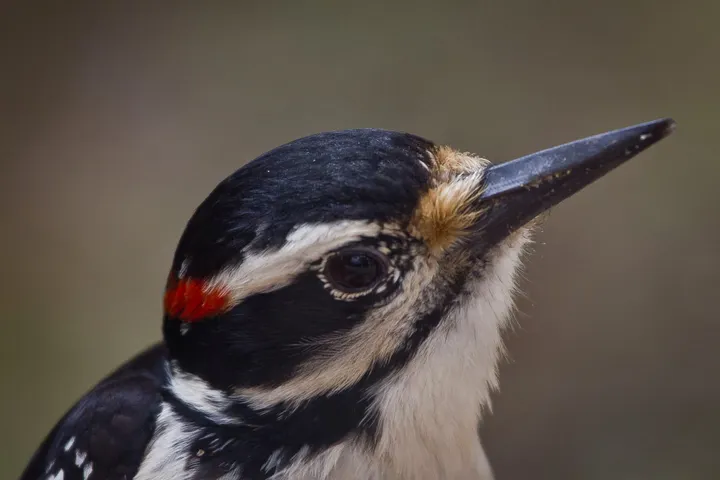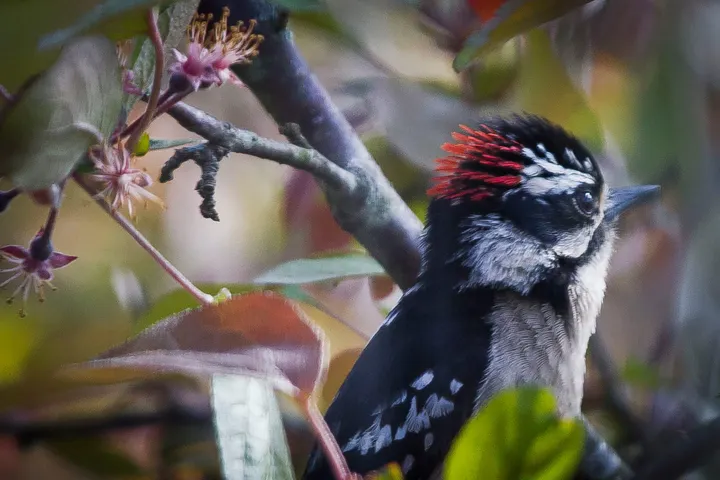
Downy woodpeckers
The smallest North American woodpeckers
February 01, 202650 posts
The smallest North American woodpeckers
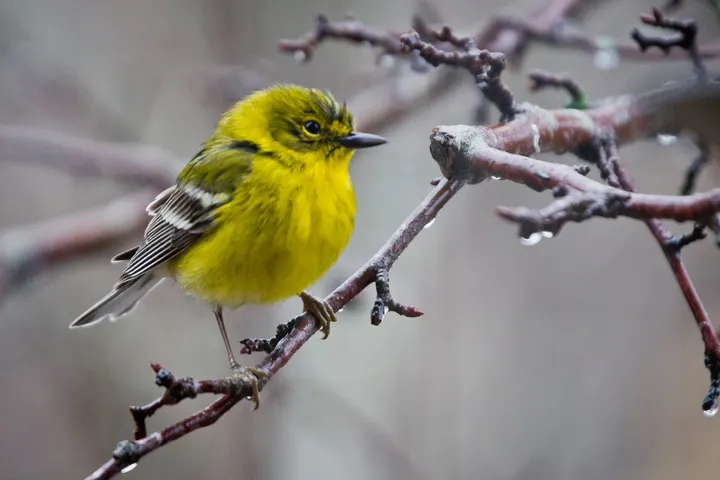
February 01, 2026Pine warblers breed in Kentucky and begin to return to the area in early February. As the name implies, pine warblers spend most of their time in pine trees, where they build nests hidden in pine needles near the tops of these trees. They’ll typically lay 3 to 5
January 25, 2026
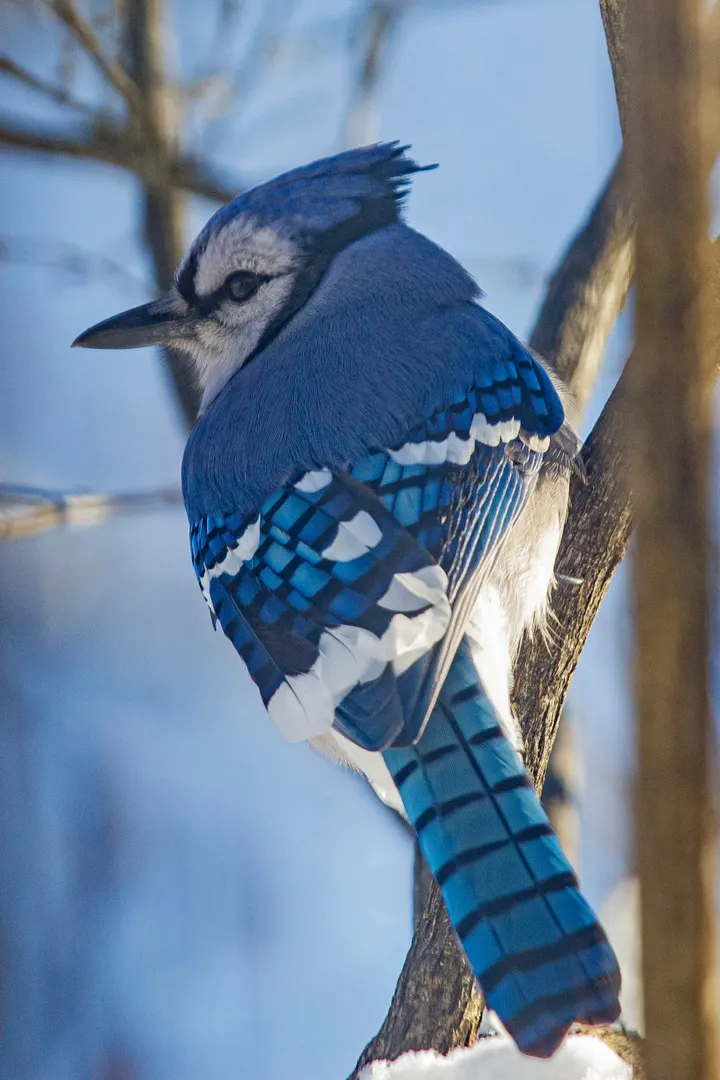
Blue jays are intelligent and well-known for their loud, raucous calls. In addition to their own sounds, blue jays often mimic the cry of hawks. Experts aren’t sure whether this is a warning that a hawk is in the area or a means of dispersing other birds from food
January 18, 2026
If you examine the maps in bird books, you’ll notice that many species of birds appear only in the eastern or western United States. This is because the country was divided in half by sheets of ice during the last Ice Age, and some species of birds evolved differently
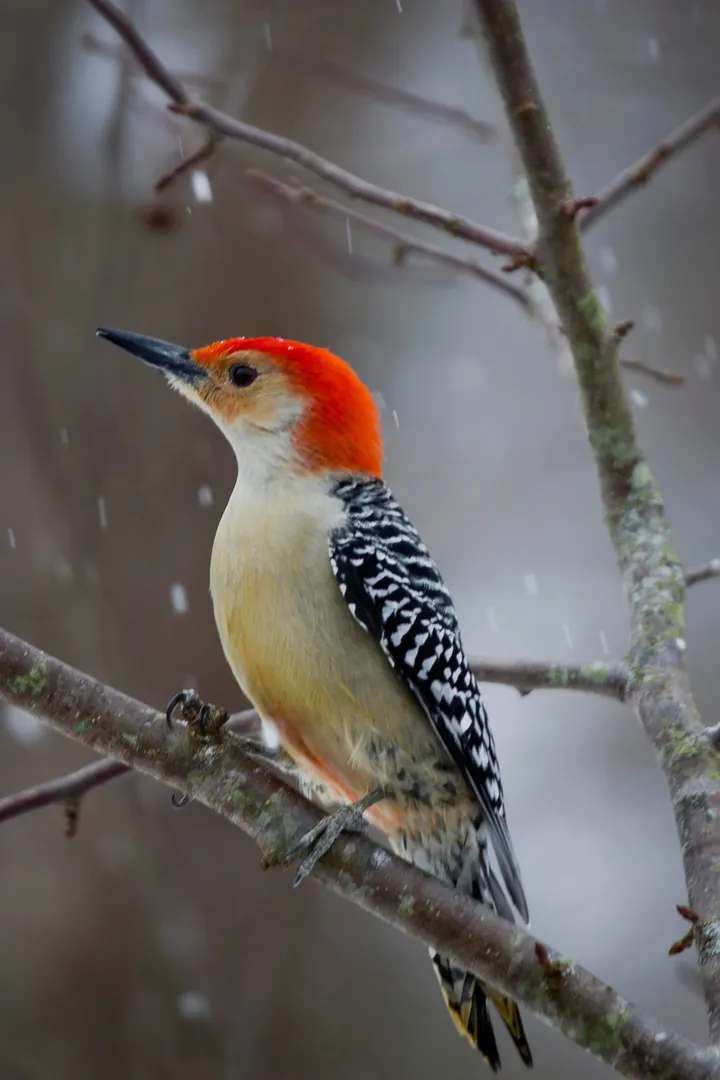
January 11, 2026The red-bellied woodpecker has already been sited
January 04, 2026
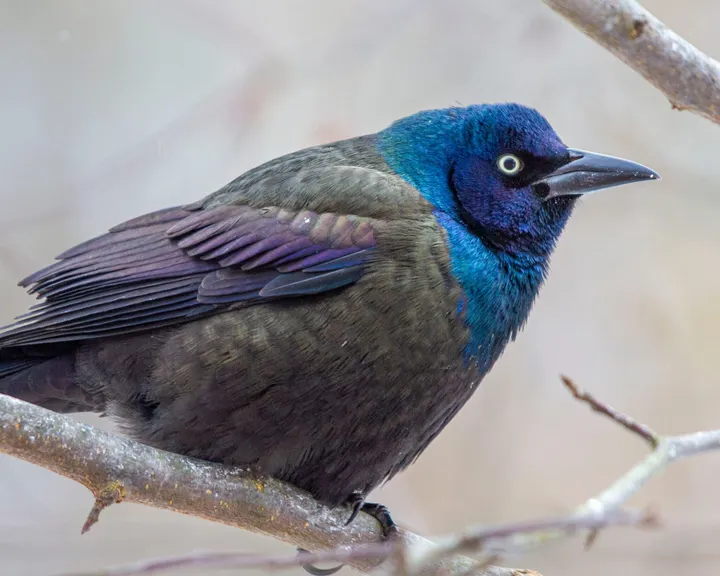
At a distance, common grackles look like large blackbirds and sound like a rusty door hinge. But up close, their yellow eyes are rather expressive and their feathers have an almost peacock-like iridescence. Grackles, like northern flickers, allow ants to crawl on their feathers and secrete formic acid, which helps
December 28, 2025
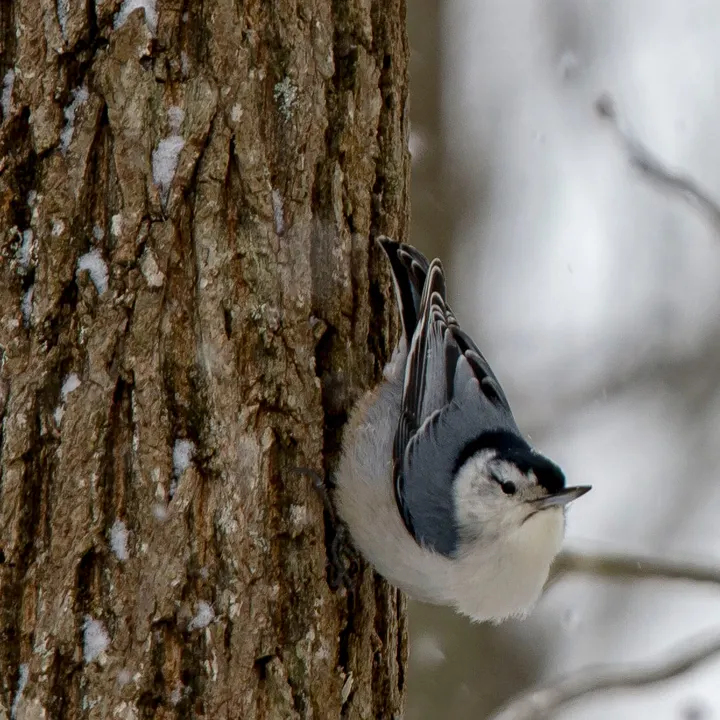
White-breasted nuthatches have large hind claws that help them creep headfirst down trees, searching the bark for insects. They may also be stashing seeds or insects under the bark for later, using moss or lichen to help hide their cache. Nuthatches were named for their practice of jamming nuts and
December 21, 2025
House finches have been becoming more prevalent in Kentucky in the past several decades after a few were brought from the southwestern United States and released on Long Island, New York in 1940. They quickly spread to all of the eastern states. Males look similar to purple finches but are
December 14, 2025A male purple finch, in the words of naturalist Roger Tory Peterson, is a “sparrow dipped in raspberry juice.” While found in Kentucky, purple finches have become less common over the past decades as the population of house finches (next week’s feature) has grown. The National Audubon Society’s
December 07, 2025