
Despite multiple disruptions, county 911 operators broke records, earned top recognition
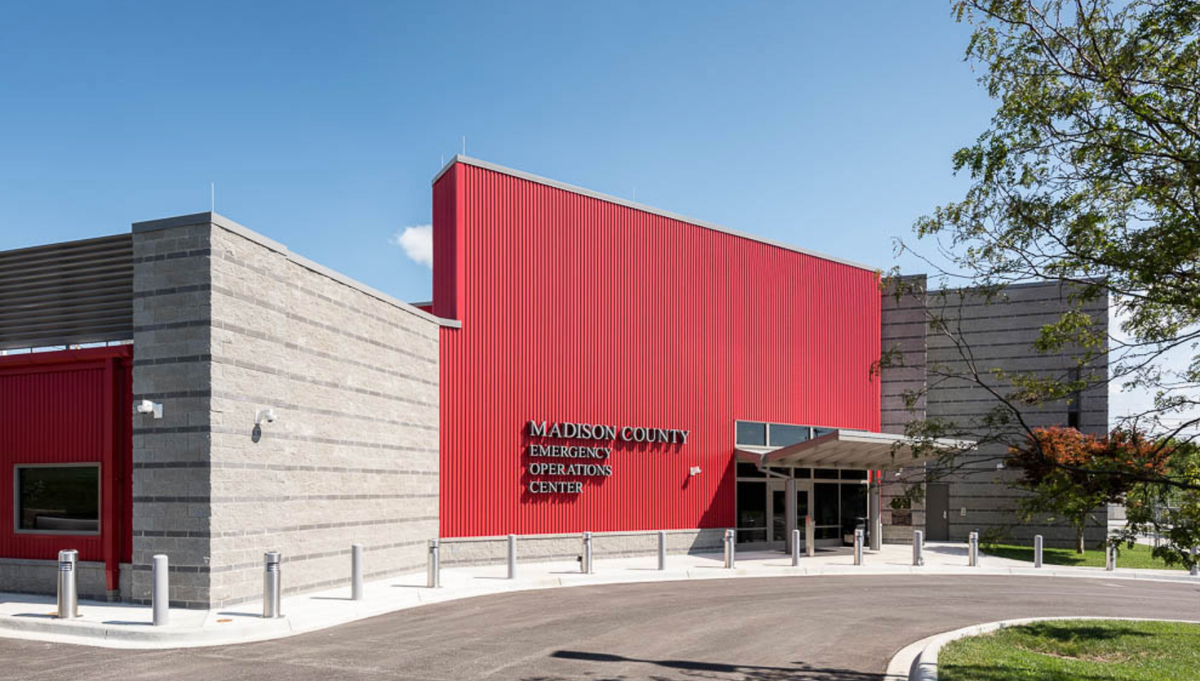
FISCAL COURT— A combination of severe weather, a higher than average number of highway wrecks, and other events helped push the number of calls handled by the county's emergency communications center to the most ever on record, a county official told the Fiscal Court during its second regularly scheduled meeting of the month.
This high call volume took place during a time when federal funding for Madison County 911—monies that had been in place since 1985—came to a halt and the organization's top boss stepped down after more than two decades with the agency. In addition, the call center also launched a new text-911 service last year.
"It was a year of transition for our emergency call center," Deputy Judge Executive, Jill Williams, told the Fiscal Court during a presentation that reviewed how 2025 played out for the service.
By the numbers
The total number of computer-aided dispatches at the call center last year, including contacts from a new text-911 protocol, inter-agency calls, and misdirects from other counties, was 133,314. This was a 4.7% gain over the previous year, which had 114,902 calls.
Richmond had the highest number of calls in 2025 at 74,955, which was 56.2% of all calls. Residents in the unincorporated areas of the County placed 32,418 calls, totaling 24.3% of all calls. Berea had 25,941 calls, or 19.5%.
"Our call volume increased, but the percentages stayed the same," Williams said.
Not all calls were emergencies, however. More than half of all citizen-placed calls were non-emergent or administrative in nature—77,648 calls in all. Williams said there is a need for more community education on what constitutes an emergency, and what the nonemergency phone number is (859-624-4776).
Williams also said that about 3,500 calls came from neighboring counties because of the callers' proximity to radio towers that transmit to Madison County's call center. Once those calls are answered here, they are transferred to the caller's respective county service, Williams said.
There was one surprising statistic, according to Williams. Namely, that the number of calls placed from cell phones decreased slightly, from 86.6% to 86.4%. Williams told The Edge in an email that the yearly average is between 86% and 87%.
"While landlines are reducing, we still have several business (small and large), schools/colleges, and other facilities that have a multiline phone system, as well as VoIP [Voice over Internet Protocol] calls that count as non-wireless calls," Williams wrote in the email.
Nearly all calls (97.9%) to the communications center were answered within 15 seconds, Williams told the Fiscal Court.
TEXTY launches
Also in May last year, the communications center launched TEXTY, the tag line of which is, "Call if you can, text if you can’t." This service is especially helpful in domestic violence situations, according to Williams. From its launch through December, there were 350 calls via TEXTY, most of them placed by security alarm systems, Williams wrote in the email. There were 57 TEXTY calls that were not related to alarm companies, she wrote. Of those calls, seven were domestic violence related.
"I believe call through TEXTY will increase the longer we have the technology and as people learn about it," Williams wrote in the email. "It is still relatively new and most people are trained to call 911."
Loss of funds, leadership
Last year was the year when federal CSEPP (Chemical Stockpile Emergency Preparedness Program) monies ran out, timed as it was to the end of the chemical weapons stockpile decommissioning at the Blue Grass Army Depot. The federal funds had helped support emergency preparedness since 1985 with a bump in support beginning in 2008 when the three jurisdictions combined emergency communications.
The coming end of CSEPP led to two years of negotiations between Berea, Richmond, and the County, over how they should jointly pay for the combined emergency communications center's 2026 operating expenses totaling $1,018,640. The process turned contentious when Richmond City backed out of the original plan to place a 911-fee, based on a structure's square footage, on citizens' annual property tax bill. Eventually, the three jurisdictions agreed to a fixed-rate formula based on zoning, occurring monthly on residents' water bills. This is the first year the fee is being collected.
As part of this transition from CSEPP to local funding, emergency call services countywide in 2025 went from being Madison County 911, to the expanded Madison County Emergency Communications Center, overseen by the Fiscal Court and with a Public Safety Advisory Board.
Last year also saw the retirement of Wendy Lynch, the combined call center's director since its inception in 2008. Lynch told The Edge in an interview months before her announced departure, that she had been considering retiring after the CSEPP rollover was completed, but with her departure, Lynch "left big shoes to fill," according to Williams, who noted the level of institutional knowledge deficit created when Lynch stepped-down.
Currently, the call center is co-led by Jodi Webb, assistant director of administration, and Saraya Lakes, assistant director of operations.
Achievements
Despite the changes in governance, the call center's year was marked by achievement. Call center staff earned their Association of Public-Safety Communications Officials certification, the highest level of certification in the profession nationally. Staff also participated in the successful implementation of the TEXTY program, as well as a new computer aided dispatch software service. The center was also awarded a couple of grants to help with these initiatives.
Challenges
Ongoing issues for the call center, Williams told the Fiscal Court, include burn out among the staff, considering the intense nature of the job which can provoke compassion fatigue, mental health concerns, and overall stress. These factors combined with 24/7 shifts that include working on holidays, makes it difficult to recruit and retain call operators, she said. Just the sheer number of calls at the center is also a burden on staff, making it important that non-emergency callers not use 911, but the nonemergency dispatch instead (859-624-4776), Williams said. In addition, staff must constantly learn new protocols to be considered up to date, part of NextGen 911.
"Our 911 folks do a great job," Williams said.
Sign up for The Edge, our free email newsletter.
Get the latest stories right in your inbox.